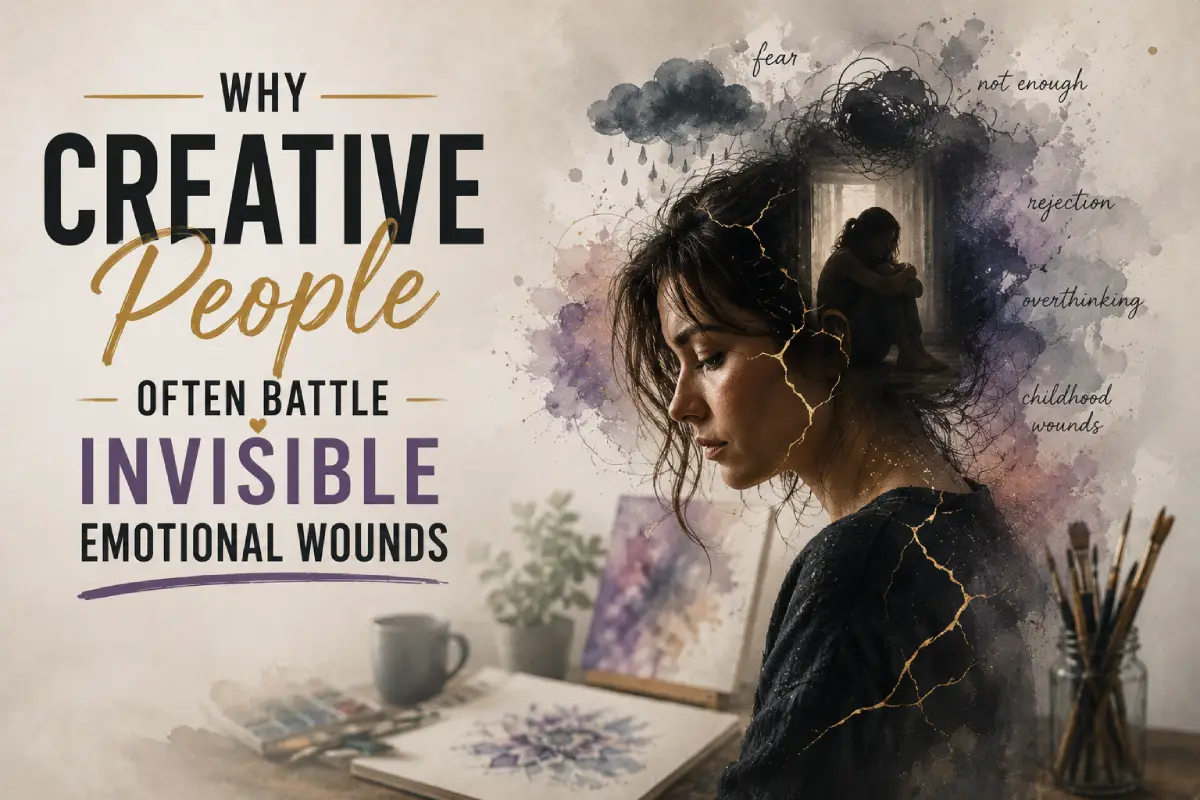
Creative people are often deeply emotional people.
They feel:
- beauty deeply,
- rejection deeply,
- criticism deeply,
- and emotional experiences deeply.
This emotional sensitivity often becomes part of their artistic gift.
But it can also become the reason many artists silently struggle with:
- anxiety,
- self-doubt,
- emotional overwhelm,
- people-pleasing,
- perfectionism,
- or low self-worth.
Many creative individuals appear calm externally…
while internally carrying emotional wounds nobody can see.
Emotional Sensitivity Is Common Among Artists
Artists usually observe the world differently.
They notice:
- emotions,
- details,
- moods,
- colors,
- energy,
- and human behavior intensely.
This sensitivity helps creativity.
But without emotional balance, it can also become emotionally exhausting.
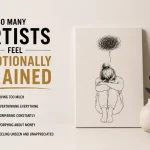
Creative people often:
- overthink interactions,
- replay criticism,
- fear judgment,
- and internalize rejection deeply.
A Common Example Many Artists Relate To
Take the example of Nandini from Bangalore.
Nandini creates beautiful watercolor artwork.
People regularly praised her paintings.
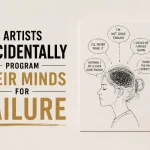
Yet internally she constantly felt:
- “I’m not good enough.”
- “Others are better.”
- “What if people criticize my work?”
Even small negative comments emotionally affected her for days.
As a result:
- she hesitated posting online,
- struggled charging properly,
- and often avoided opportunities.
The issue was not lack of talent.
It was emotional insecurity hidden underneath confidence problems.
Many Emotional Wounds Begin Earlier in Life
Creative people often carry emotional conditioning from:
- childhood experiences,
- criticism,
- comparison,
- rejection,
- or environments where creativity was not valued seriously.
In many Indian households, artists grow up hearing:
- “Art is fine as a hobby.”
- “Focus on practical careers.”
- “Creative fields are unstable.”
Even when said casually, these comments shape subconscious beliefs.
Over time, artists may begin emotionally believing:
“Maybe my dreams are not valid enough.”
Why Highly Sensitive People Struggle More With Rejection
Creative work is deeply personal.
When an artist shares:
- a painting,
- reel,
- workshop,
- or idea,
they are sharing a part of themselves emotionally.
This makes rejection feel:
- personal,
- painful,
- and emotionally intense.
A low-performing reel may not just feel like:
It may emotionally feel like:
Another Example
A mandala artist from Hyderabad stopped posting online for months after receiving a rude comment about her voice during a live session.
Logically, she knew one comment should not matter.
But emotionally, the experience stayed with her.
She began:
- overthinking content,
- avoiding videos,
- and doubting herself constantly.
This is common among emotionally sensitive creatives.
Perfectionism Is Often an Emotional Protection Mechanism
Many artists believe perfectionism means:
- high standards,
- professionalism,
- or dedication.
But emotionally, perfectionism is often connected to:
- fear of criticism,
- fear of rejection,
- or fear of not being enough.
Artists sometimes try becoming “perfect” because they hope perfection will protect them emotionally.
Unfortunately:
perfection never fully removes fear.
Creative Burnout Is Often Emotional, Not Just Physical
Many artists think burnout comes only from:
- workload,
- content creation,
- or long hours.
But emotional burnout often comes from:
- overthinking,
- self-pressure,
- emotional suppression,
- and constant comparison.
Creative people carry emotional energy into their work.
Which means emotional exhaustion affects creativity heavily.
Why Emotional Healing Matters for Artists
Many artists try solving confidence issues only through:
- strategy,
- consistency,
- or skill improvement.
But sometimes the deeper issue is emotional.
For example:
- fear of visibility,
- fear of judgment,
- fear of success,
- or low self-worth
cannot always be solved through marketing tips alone.
Emotional healing becomes important.
What Is Hypno Healing?
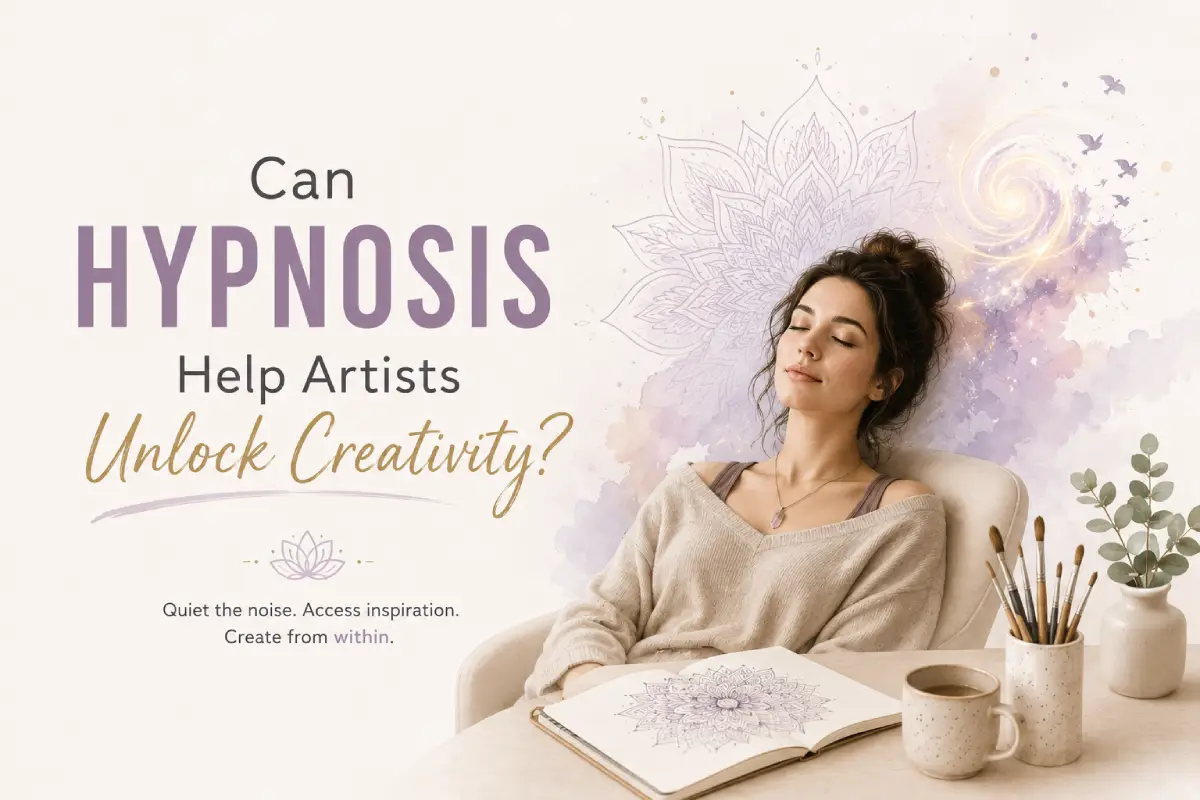
Hypno healing or hypnosis-based emotional work focuses on helping people access calmer subconscious emotional patterns.
Contrary to popular myths, hypnosis is not:
- mind control,
- unconsciousness,
- or magic.
It is usually a deeply relaxed and focused mental state.
This relaxed state can help people:
- process emotions,
- reduce mental resistance,
- and build healthier emotional patterns.
Emotional Safety Helps Creativity Flow
Artists create best when they feel emotionally safe.
Constant:
- fear,
- stress,
- self-criticism,
- or emotional overload
restricts:
- creativity,
- confidence,
- and expression.
When emotional healing begins:
many artists notice:
- improved creativity,
- calmer thinking,
- and greater confidence.
Another Example
A jewelry artist from Chennai constantly struggled with camera anxiety.
Every time she recorded reels, her nervous system reacted strongly.
Through relaxation and subconscious confidence practices, she slowly became more emotionally comfortable with visibility.
Over time:
- consistency improved,
- confidence increased,
- and fear reduced.
Not instantly.
Gradually.
Artists Need Emotional Compassion Too
Creative people often show:
- kindness,
- inspiration,
- and emotional support to others.
But internally they can be extremely harsh toward themselves.
Healing involves learning:
- self-compassion,
- emotional awareness,
- and nervous system balance.
What Artists Can Start Practicing
1. Stop Ignoring Emotional Exhaustion
Burnout deserves attention.
2. Reduce Harsh Self-Talk
Internal criticism affects creativity deeply.
3. Create Emotional Rest
Constant pressure damages inspiration.
4. Build Emotional Awareness
Notice recurring fears and emotional triggers.
5. Seek Healthy Emotional Support
Healing is easier with supportive spaces.
The Truth Many Creative People Need to Hear
Sensitivity is not weakness.
It is often part of what makes artists:
- intuitive,
- expressive,
- empathetic,
- and emotionally powerful.
But sensitivity also requires emotional care.
Because invisible emotional wounds affect:
- confidence,
- visibility,
- creativity,
- and self-worth more than most people realize.
And healing those wounds can change not only how artists create…
but also how they experience themselves.