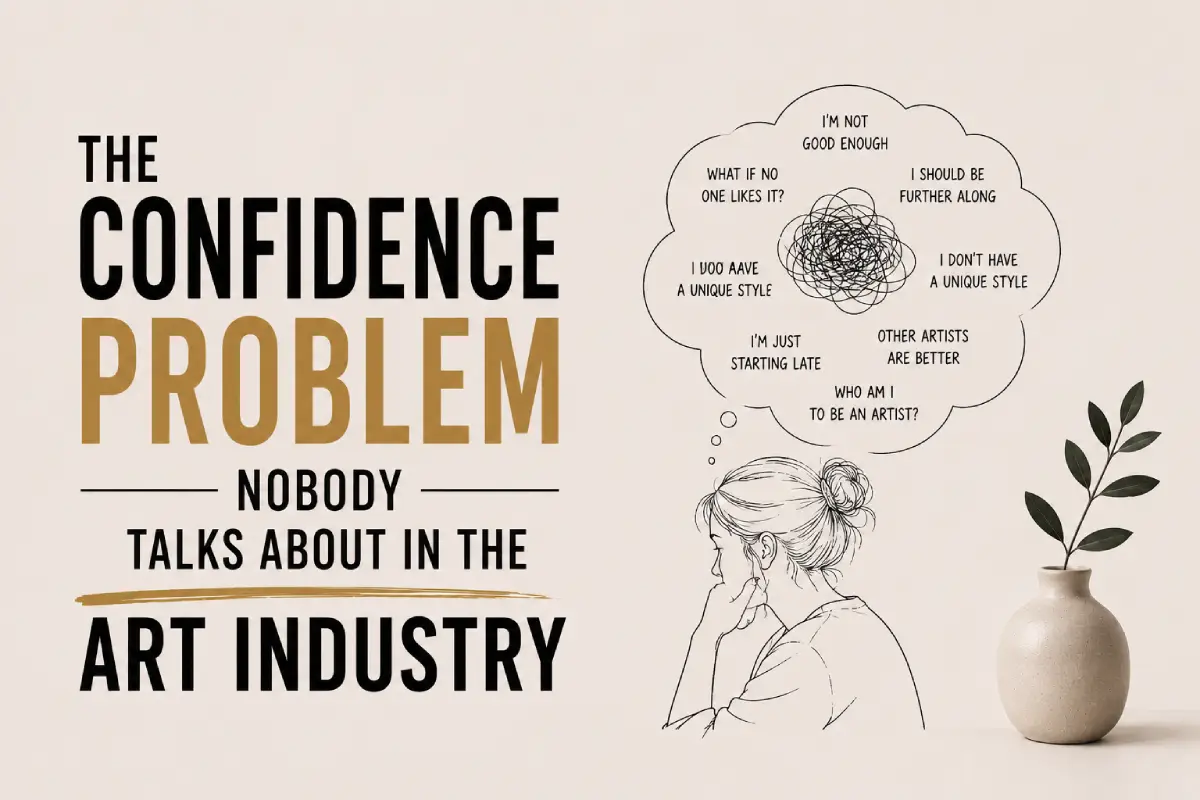
Many artists appear confident while creating art.
But internally, they struggle deeply with:
- visibility,
- self-worth,
- pricing,
- communication,
- and fear of judgment.
This is one of the least discussed realities in the creative industry.
People assume:
“If someone is talented, they must naturally be confident.”
Not true.
In fact, many highly talented artists quietly battle insecurity every day.
Artistic Confidence and Business Confidence Are Different
An artist may feel completely confident:
- painting,
- sketching,
- embroidering,
- or creating mandalas.
But when it comes to:
- speaking on camera,
- charging properly,
- marketing,
- or promoting work,
fear appears immediately.
Why?
Because creative skill and public confidence are separate emotional skills.
A Common Example
Anjali from Chennai creates beautiful dot mandala artwork.
Her detailing is excellent.
Offline, people constantly praise her work.
But online:
- she hesitates to post,
- avoids speaking,
- and feels uncomfortable promoting herself.
Every time she tries creating reels, thoughts appear:
- “I look awkward.”
- “People may judge me.”
- “Others are better speakers.”
As a result:
her visibility remains low despite strong talent.
The issue is not creativity.
It is confidence around visibility.
Many Artists Were Never Taught to Be Seen
In many Indian environments, artists are encouraged to:
- create quietly,
- stay humble,
- and avoid “showing off.”
As a result, many creatives subconsciously associate self-promotion with:
- arrogance,
- attention-seeking,
- or embarrassment.
So when artists need to:
- market themselves,
- sell,
- or build personal brands,
they feel emotionally uncomfortable.
Social Media Intensifies Insecurity
Social media constantly exposes artists to:
- comparison,
- criticism,
- and performance pressure.
An artist may spend:
- 8 hours creating content,
only to receive:
- low engagement,
- little response,
- or negative comments.
Over time this affects confidence deeply.
Especially when artists already struggle with:
- perfectionism,
- overthinking,
- and fear of judgment.
Another Example
A resin artist from Pune loved creating handmade products.
But she avoided posting consistently because she believed:
“My communication skills are poor.”
Whenever she compared herself to polished creators online, her insecurity increased.
Eventually she started focusing less on perfection and more on:
- authenticity,
- consistency,
- and gradual improvement.
Slowly:
- confidence improved,
- audience trust increased,
- and she became more visible.
Not because fear disappeared completely.
Because she stopped letting insecurity control every decision.
Confidence Is Built Through Action, Not Waiting
Many artists think:
“I’ll start posting when I become confident.”
But confidence rarely appears first.
Most creators become confident after:
- repeated visibility,
- practice,
- mistakes,
- and experience.
The first reel may feel awkward.
The first workshop may feel uncomfortable.
The first live session may feel terrifying.
That is normal.
Why Perfectionism Damages Confidence
Perfectionism often looks like:
- high standards,
- professionalism,
- or dedication.
But emotionally, perfectionism is usually connected to:
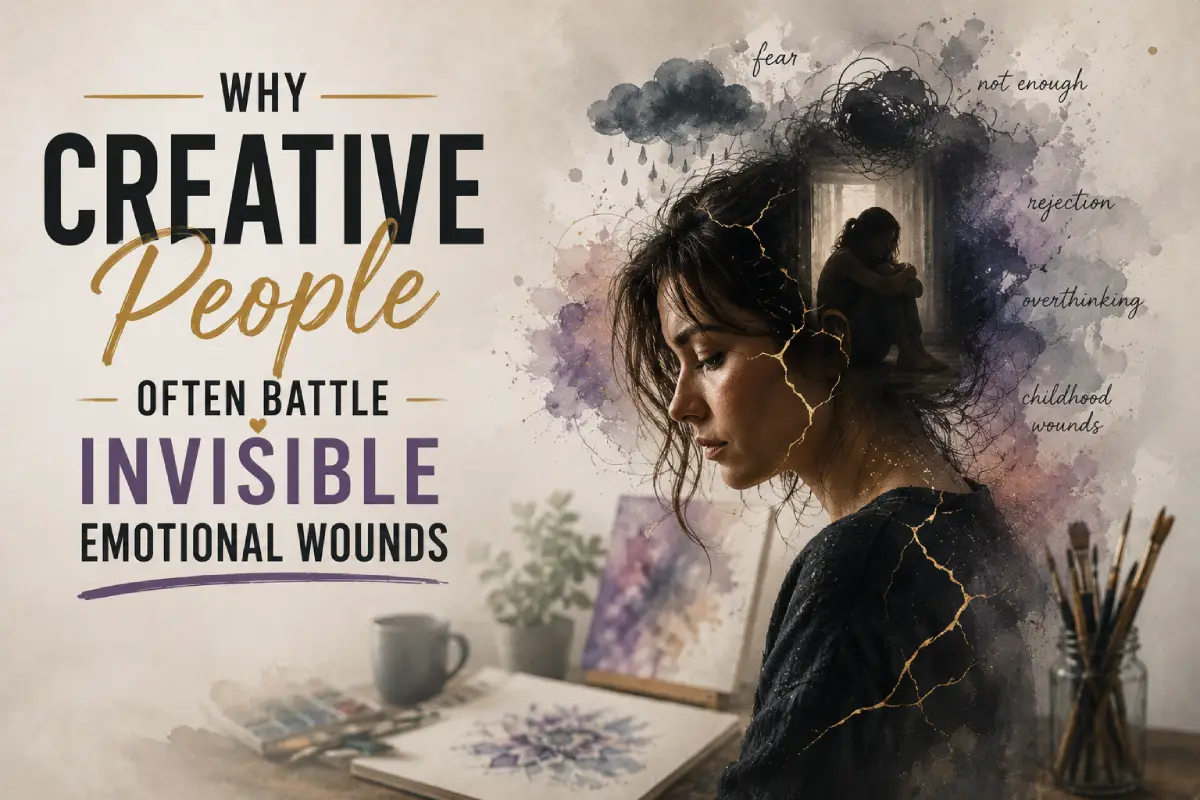
- fear of criticism,
- fear of rejection,
- or fear of not being enough.
Artists who constantly:
- restart,
- over-edit,
- or delay visibility
never allow confidence to develop naturally.
Confidence Also Affects Pricing
Many artists struggle charging fairly because internally they:
- undervalue themselves,
- fear rejection,
- or seek approval.
This creates:
- underpricing,
- overworking,
- burnout,
- and resentment.
Artists must understand:
confidence affects business directly.
Why Audience Connection Matters More Than Perfection
People rarely connect with flawless perfection.
They connect with:
- honesty,
- humanity,
- emotion,
- and relatability.
Artists who openly share:
- struggles,
- lessons,
- mistakes,
- and growth
often build stronger communities.
Because audiences emotionally trust authenticity.
Creative Confidence Requires Emotional Safety
Artists perform best when they feel emotionally safe.
Constant:
- comparison,
- self-criticism,
- or fear
creates nervous system stress.
This affects:
- creativity,
- consistency,
- and expression.
Confidence grows faster when artists practice:
- self-compassion,
- emotional resilience,
- and healthier self-talk.
Practical Confidence Shifts for Artists
1. Start Before Feeling Fully Ready
Confidence develops through action.
2. Stop Over-Criticizing Yourself
Harsh self-talk weakens creativity.
3. Practice Visibility Gradually
Small repetition builds emotional comfort.
4. Separate Self-Worth From Engagement
Numbers do not define value.
5. Focus on Connection, Not Perfection
Authenticity creates trust.
The Truth Most Artists Need to Hear
You do not need to become the loudest person online to succeed.
You do not need:
- perfect English,
- perfect confidence,
- or perfect branding.
You simply need:
- courage to continue,
- willingness to be visible,
- and emotional resilience.
Because often, the artists who inspire people most are not the most flawless ones.
They are the ones brave enough to show up despite insecurity.